
Présentation
Mots-clés : nanosciences, nanomatériaux, électrochimie, électronique organique et plastique, plasmonique, nanomagnétisme, catalyse et chimie théorique.
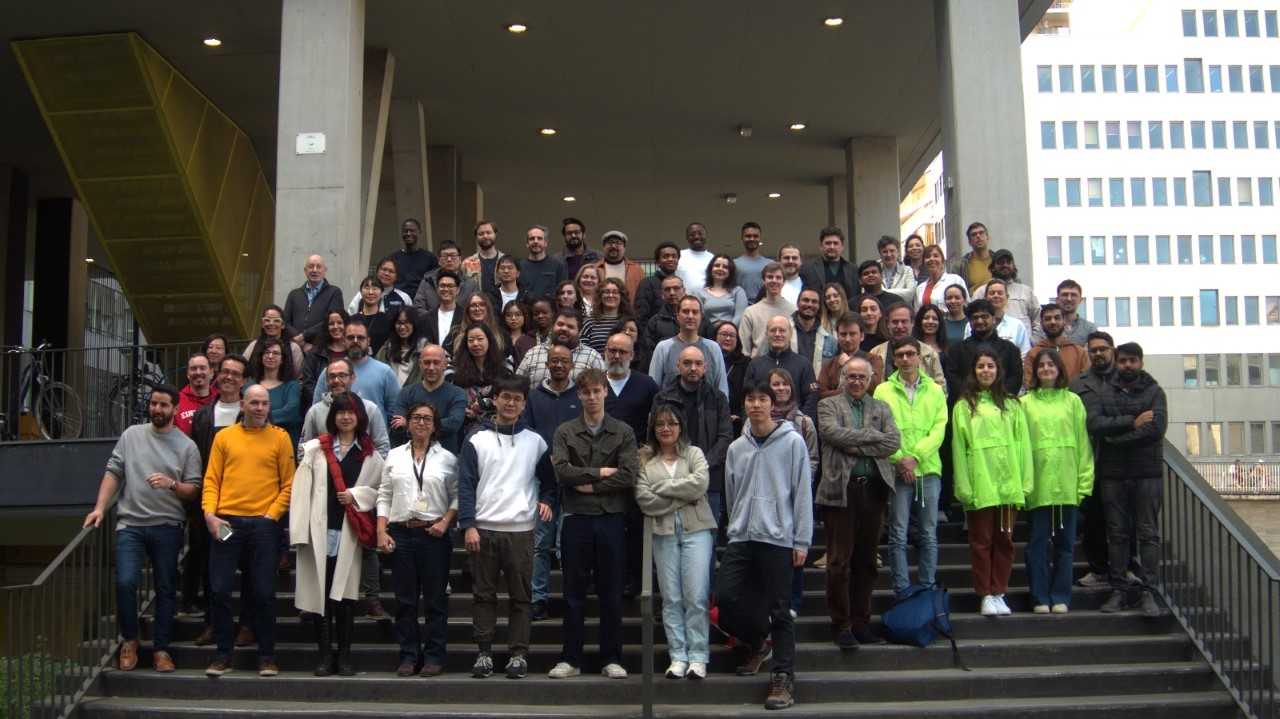
Photo 2025
© ITODYS
Le laboratoire Interfaces Traitements Organisation et DYnamique des Systèmes (ITODYS), unité mixte de recherche CNRS et Université Paris Cité (UMR 7086), est un laboratoire parisien spécialisé en chimie physique.
Le laboratoire rassemble 82 permanents et près d’une centaine de doctorants et de post-doctorants. Il est structuré en quatre départements scientifiques, une équipe de chimie théorique transverse, un département technique et un service administratif commun.
Les activités de recherches du laboratoire portent essentiellement sur l’étude des surfaces et des interfaces, avec une expertise de renommée mondiale en nanosciences et nanomatériaux, électrochimie, électronique organique et plastique, plasmonique, nanomagnétisme, catalyse et chimie théorique.
Le laboratoire mène une recherche fondamentale de haut niveau, intégrant des innovations méthodologiques et des développements instrumentaux. Il dispose également d’un parc technologique de pointe, offrant une analyse et une manipulation de la matière à diverses échelles spatiales et temporelles, y compris sous stimuli extérieur. Cet environnement d’excellence lui permet de relever les grands défis sociétaux, notamment en matière de développement durable et de santé pour tous. Ainsi, ses nombreux projets appliqués, dans le domaine des (bio)capteurs, la conversion et stockage de l’énergie, la valorisation de la biomasse, la miniaturisation des dispositifs de communication, le recyclage de matériaux fonctionnels, entre autres, témoignent de son engagement pour une recherche innovante et éco-responsable.
Le laboratoire rayonne tant à l’échelle nationale qu’internationale grâce à un solide réseau de collaborations scientifiques et de partenariats industriels. Il est notamment membre fondateur du laboratoire d’excellence « Innovative Materials » qui fait suite au Labex « Science and Engineering for Advanced Materials and devices (SEAM) » et pilote le projet filière francilien « Printed Electronics for Health », affirmant ainsi son positionnement transversal en recherche fondamentale et appliquée.
À lire aussi
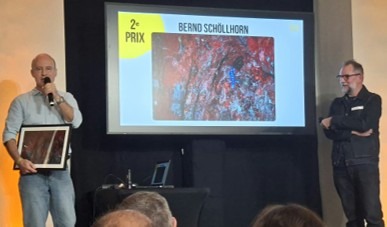
Bernd Schöllhorn remporte le deuxième prix dans la catégorie « Biodiversité » du concours photo « Science en Vues »!
📣 Bravo à notre collègue Bernd Schöllhorn pour avoir remporté le 2e prix dans la catégorie « hashtag#Biodiversité » du concours photo « Science en Vues » organisé par les magazines « Science et Vie », « Réponses Photo » et le CNRS Chimie ! ❓ L’évènement a eu lieu le...

L’ITODYS été présent à la fête de la science 2026! Merci Abir, Zakaria et Nawal.
🔈L' UFR DE CHIMIE - UNIVERSITE PARIS CITE de la Faculté des Sciences - Université Paris Cité était à nouveau présente lors de la #FêteDeLaScience ! ❓ Sous le village des sciences, il a été question de colorants alimentaires dans les M&M's et de leur séparation...
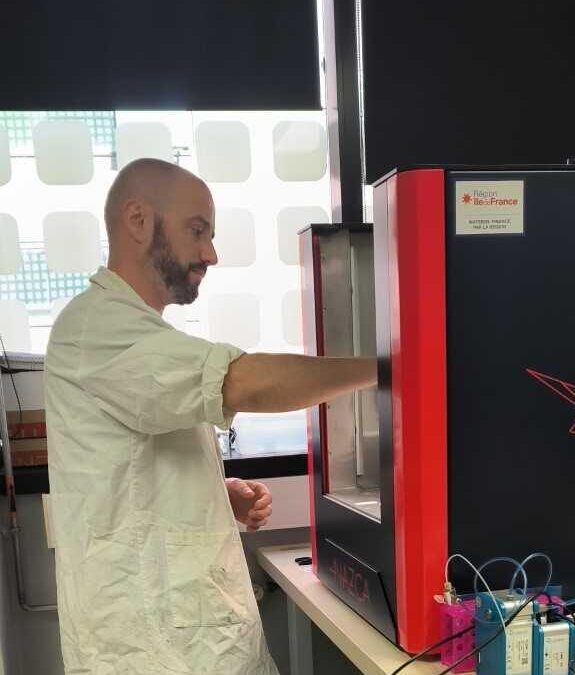
Félicitations à Lylian Challier pour l’obtention de son Habilitation à Diriger des Recherches (HDR)
Le laboratoire a le plaisir d'annoncer la soutenance, le 23 juin dernier, et avec brio, de l'Habilitation à Diriger des Recherches (HDR) de M. Lylian Challier, ingénieur de recherche au laboratoire et responsable opérationnel de la plateforme PRINTEC, dédiée à...
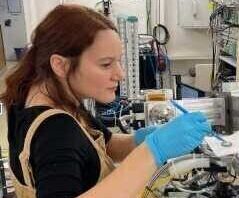
Sophie Nowak rejoint le bureau du réseau des Chercheurs et ITA PROfessionnels de la Cristallographie Structurale (RECIPROCS)
Le laboratoire ITODYS est heureux d'annoncer la nomination de Mme Sophie Nowak, ingénieure spécialiste de diffraction et diffusion des rayons X au laboratoire, au sein du bureau du réseau des chercheurs et ITA professionnels de la cristallographie structurale -...